The IEEE Latin American Conference on Computational Intelligence (LA-CCI) will be held in Mexico City, Mexico in 2025. LA-CCI continues its mission to bring together the Soft Computing community to present the latest achievements and innovations across multiple areas of Computational Intelligence. The conference aims to foster participation from young researchers and follow the LA-CCI Manifesto by providing a high-level international forum for scientists, researchers, engineers, professionals, and educators to disseminate their research results and engage in discussions on the future directions of Computational Intelligence.
We hope that local academy and industry will take active participation in IEEE LA-CCI 2025. Papers will be reviewed by an international technical committee under the IEEE standard procedure and accepted papers must be presented in oral session. This process is mandatory for the paper to be published in the conference proceedings (IEEE Xplore database, including ISBN).
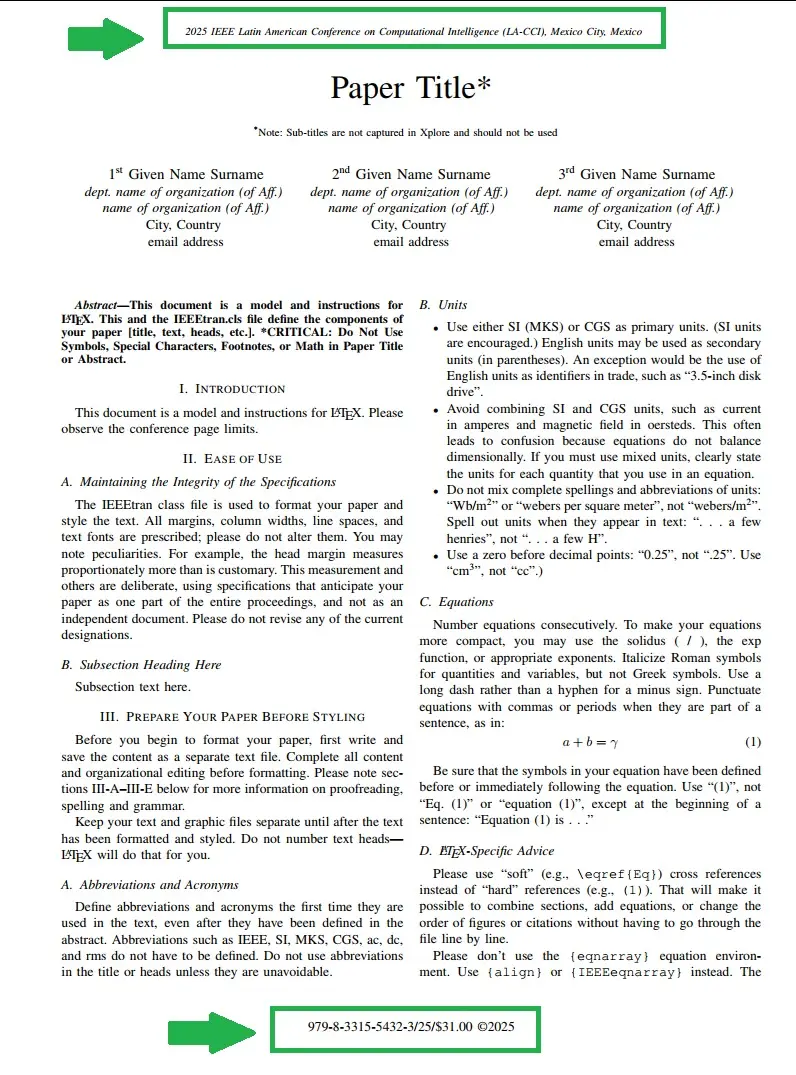

You may now download the official presentation template from our website to prepare your talk or poster. Please make sure to follow the format guidelines to ensure consistency across all presentations.
Click here to download the template
The grant will be in the form of digital reimbursement of a fixed amount after the in-person participation in the conference as a registered attendee. The approved amount will be typically USD $600 for intra-continental (within South America) participants, and USD $1,200 for inter-continental (outside South America) participants.
For full instructions on how to apply and the application submission link, please visit IEEE CIS Conference Participation and Travel Grants page: https://cis.ieee.org/activities/membership-activities/travel-grants.
For any queries regarding the grants, please contact the CIS travel grants subcommittee chair: Dr. Yi Mei yi.mei@ecs.vuw.ac.nz.
The applications can be submitted after the paper notifications have been sent, up to the deadline of July 20th 2025.
How to become an IEEE CIS member?
Overall, the objective of CI Series is to provide a high-level international stage and forum for scientists, researchers, engineers, and educators to disseminate their latest research results and exchange views of the future research directions on:
Latin American Conference on Computational Intelligence (LACCI 2025)
**Important Update:** Please note, due to unforeseen logistical changes, this workshop will now be held at the hotel. The new start time is 8:00 AM. We apologize for any inconvenience.
Speakers: Mike McPike (Managing Director, AB Dynamics Inc.) and Mike Rihl (Sales Manager, ABD Inc.)
AB Dynamics will host a unique, two-part workshop on autonomous vehicles that combines a rigorous theoretical session with a live technology demonstration. The program will first outline state-of-the-art methods for AV testing, safety validation, and scenario design, then showcase AB Dynamics’ toolchain—spanning driver-in-the-loop, hardware-in-the-loop, and reproducible proving-ground workflows—in action.
Key Objectives:
This rare, hands-on opportunity will equip participants with practical insights to accelerate sensor fusion evaluation, ADAS/AD performance verification, and the transition from algorithm prototyping to robust real-world deployment.
Remember to complete your registration for the tutorial. 1. Workshop Form
AI is changing how, and how quickly, software is built. With small teams, adaptable researchers, and evolving tech stacks, academic research is uniquely positioned to benefit from this revolution. This workshop explores how to leverage tools like Cursor and Claude Code and how to build future-ready AI-assisted research workflows. Participants will be shown steps for how to integrate AI incrementally into their existing processes and strategies to build out larger, multi-agent automated workflows. To take full advantage of the workshop, familiarity with git, GitHub, and VSCode is useful but not required.
Key Themes:
- Integrating the AI as an embedded assistant
- Transition from an individual researcher to a manager of AIs
- Using system design principles and context engineering to control quality
- The future for AI-assisted software development
Expected Outcomes
- Build a working website with a live backend without writing any code yourself
- Gain familiarity with Cursor, Windsurf, Claude Code, and ChatGPT Codex
- Take away templates and commands to help introduce AI-assistance to new and existing projects
- Understand how to manage basic multi-agent and automated AI workflows
Remember to complete your registration for the tutorial. 1. Workshop Form

Associate Director of Research & Design. MIT Senseable City Lab. Massachusetts Institute of Technology (MIT), USA.
Lecture: When data and design meet: planning the future of cities
Conference Talk: With layers of sensors permeating every aspect of urban life and new computational tools unveiling previously invisible dynamics, Dr. Duarte will explore how data, sensors, and science are reshaping the way we understand and design our cities.
About the Speaker: Principal Research Scientist at MIT Senseable City Lab and Lecturer at the Department of Urban Studies and Planning (MIT-DUSP). Author of Urban Play (MIT Press, 2021) and Unplugging the City (Routledge, 2018). His research has appeared in high-impact journals including Nature Water, Nature Cities, Nature Sustainability, and Science Robotics. He also collaborates with the World Bank as a consultant on urban planning and mobility.


72 - Machine Learning Approach for Discovering Titanium Alloys with a Low Young’s Modulus
19 - The Effect of Depth on the Generalization of Artificial Neural Networks
20 - Parameter identification of the Furuta pendulum using Differential Evolution
22 - An approach to Temporal Closeness Centrality on Spatial Temporal Networks
31 - A pipeline to obtain a dynamic 3D-Brain Model using the fastsurfer deep learning model from Magnetic Resonance Imaging (MRI)
26 - Wearable Gait Analysis Using IMU Sensors and Deep Learning for Parkinson’s Disease Detection
84 - Multimodal Data Fusion Architecture for Real-Time Physiological and Vehicular Signal Processing in Driving Contexts
9 - A Convolutional Neural Network Approach for Decision-Making in Diabetes Prevention
21 - Gradient Enhanced Particle Swarm Optimization Algorithm
36 - Noise Supresion in ECG Signals Based on Izhikevich's Spiking Neural Network
59 - From EEG Signals to Early Autism Spectrum Disorder Detection: Leveraging Quantum Deep-Wavelet Neural Networks for Precision Healthcare
68 - Integrating ASTERI-Based EEG Imaging with Deep Learning and Swarm Intelligence for Autism Diagnosis Support
66 - On the Use of Machine Learning for Modern IoT ELF Malware Detection
77 - Image classification of GMAW robotic weld bead images by MobileNetV2 neural network using Transfer Learning
75 - Dimensionality reduction and chest X-ray image classification using spatial summaries and machine learning
93 - Longitudinal Speed Estimation in Vehicles Using a Multilayer Perceptron
83 - Ergonomic Routes Based on Reports of Imperfections on the Vial Infrastructure
78 - Machine Learning for Identifying Autism Traits
10 - Evaluation of a Hybrid Approach Combining Random Forest and XGBoost for Type 2 Diabetes Prediction Using the PIMA Dataset
82 - Spectral Unmixing + Deep Learning for Pixel-wise Classification of Placental Multispectral Images
51 - Development of an Autonomous Greenhouse Prototype for the Control of Environmental Variables through IoT, Driven by ChatGPT for Decision Making.
90 - Automatic Classification of Driving Maneuvers via Supervised Learning
70 - Explainable AI for Behavioral Patterns in Game Players
94 - BERT-Based Approach for Tuberculosis Diagnosis from Electronic Medical Records
7 - Development of an Intelligent RGB Color Classification System with Electronic Components and Neural Networks
3 - Large Language Models-based Software Test Input Generation
39 - Comparative Analysis of Parent Selection Strategies in DeepGA for Neural Architecture Search
40 - Expandor : A Novel Enhanced Exploratory Processing Augmentation for Image & Audio Data Optimization & Refinement
80 - Artificial Intelligence for Electric Public Transport Optimization in Smart Cities: A Systematic Review
60 - Emotion Recognition from Electroencephalogram Signals of Subjects with Dementia: the impact of feature selection by PSO on classification performance
81 - Transformer vs. CNN: Hyperparameter-Tuned Deep Learning Models for Automated Malaria Diagnosis
49 - Towards optimizing genetic algorithm parameters for permutation flow shop scheduling using Taguchi methodology
65 - Students’ Collaborative Learning through Programming Computational Intelligence Algorithms: A Mixed Methods Approach Applied to a Case Study on Energy and Buildings
50 - MBF-Net: Multi-stage Bilateral-feature Fusion Network for EEG-Based Emotion Recognition
86 - Segmentation of Astronomical Images Using Community Detection Optimized by Genetic Algorithms
15 - Designing Higher Education Exam Schedules with Multiobjective Evolutionary Algorithms
Join us for an evening of fine dining, networking, and entertainment.

Full-Time Researcher. CINVESTAV-IPN, Mexico and Visiting Professor. Basque Center for Applied Mathematics, Spain.
Conference Talk: 40 Years of Multi-Objective Evolutionary Algorithms: Past, Present and Future
About the Speaker: Dr. Carlos Coello is a prominent researcher at CINVESTAV-IPN in Mexico City and a Visiting Professor at the Basque Center for Applied Mathematics in Spain. His research focuses on biologically inspired stochastic algorithms for complex, nonlinear multi- objective optimization. He pioneered the first micro-genetic algorithm for multi-objective optimization and developed an immune system-based algorithm using Pareto optimality, both of which have been applied in diverse fields, including supersonic jet design in the USA.
53 - Using EMPATH on Brazilian Sign Language (LIBRAS) Recognition and a Sign Language Dataset Creation
12 - Machine Learning for Support in the Diagnosis of Parkinson's Disease through wave drawing images
91 - Real-World Evaluation of Driver Cognitive Load Across Traffic Conditions Using Biometric Signals
44 - Empirical Analysis of Caching Patterns in Microservice Architectures
18 - Parameter Identification of a Perturbed Servo System via ESO-PSO and RoLS-VFF algorithms
48 - An adaptive Lissajous radial basis function neural network to predict the remaining useful life in batteries
46 - A novel sustainable approach of reinforcement learning control for a water-energy-food microgrid
54 - Building Automated Systems to Generate Structured Data from Draw-A-Person-in-the-Rain Test Using Deep Learning
87 - CoAP Protocol Dialects for Internet of Thing Security
64 - Genetic Projective Discriminant Analysis
11 - A New Low-Power IoT Telemetry Platform for Stratospheric Balloons Using LoRa and Cloud Integration
71 - Digital Preservation and Archival Practices Integrating AI and History: a case study at the Campos Gerais Museum-Brazil
67 - Explainable AI-Driven Exploration of Employee Attrition Mechanisms
79 - Assessing Dimensionality Reduction Effects on Building Energy Forecasts: An ANN Case Study
76 - Explainable Reinforcement Learning: Understanding How Learning Influences Behavior through Q-Values and Introspection
88 - Intelligent Optimization of Garbage Collection Routes through RAG Architecture in San Pedro Sula (Smart City)
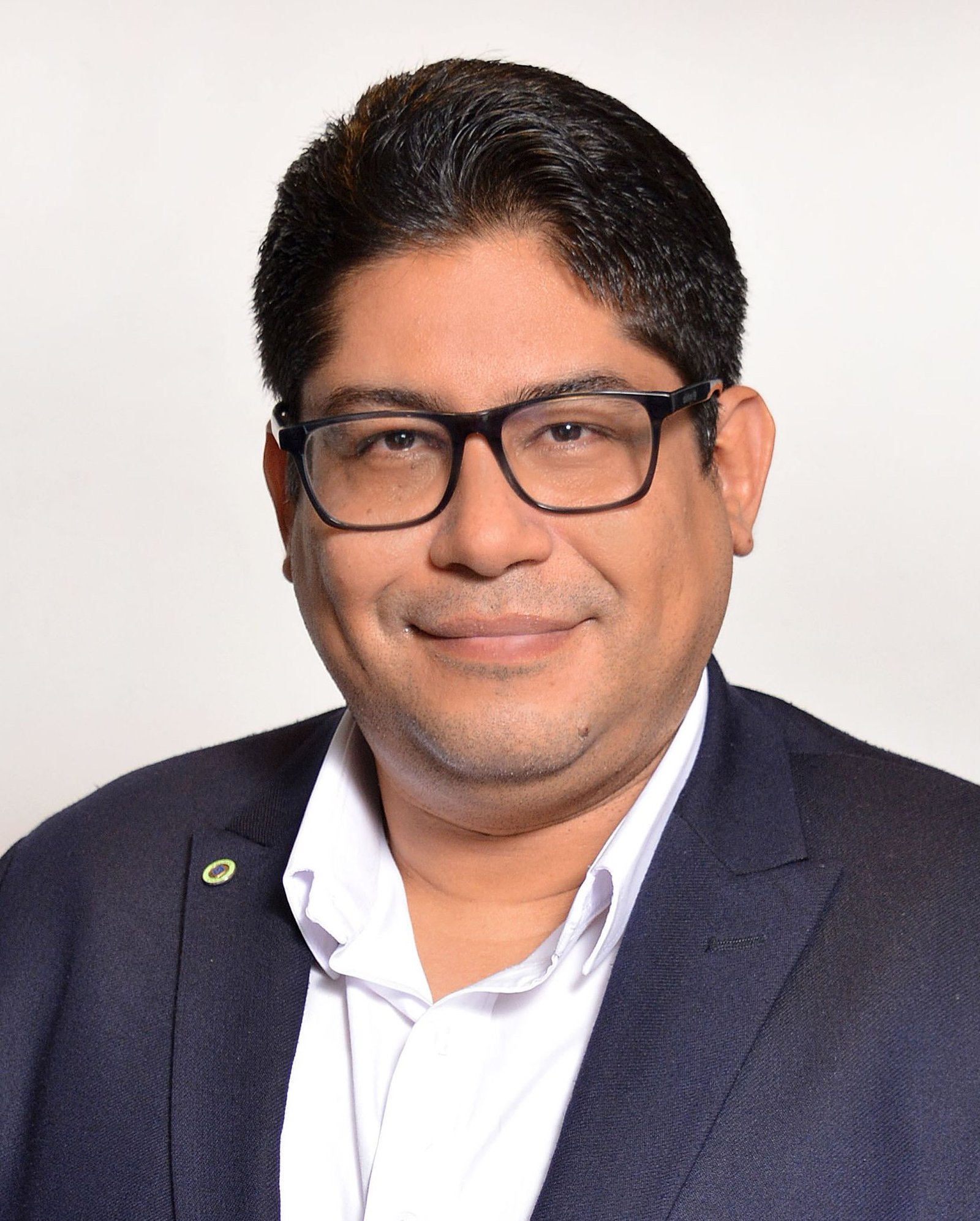
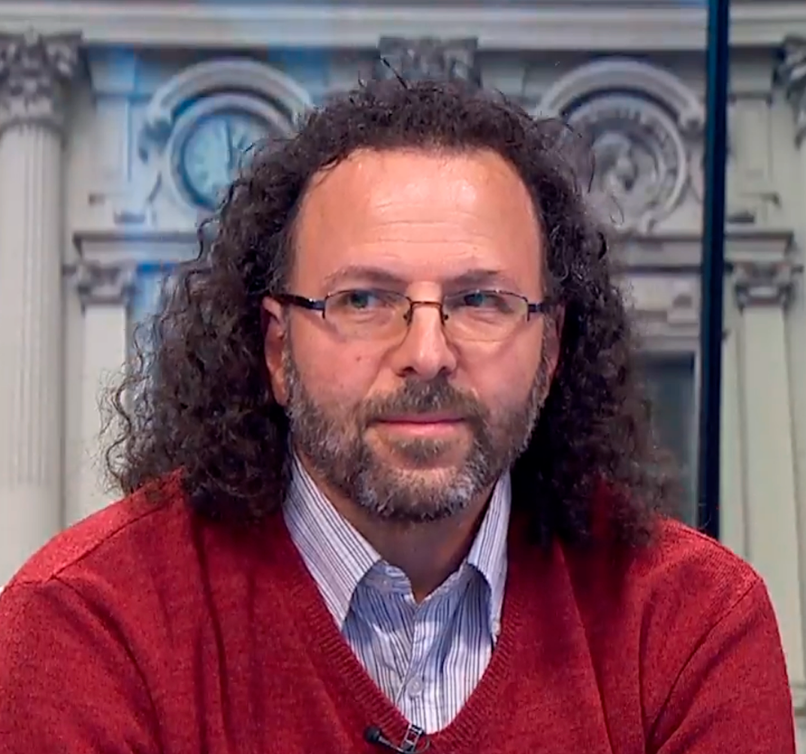
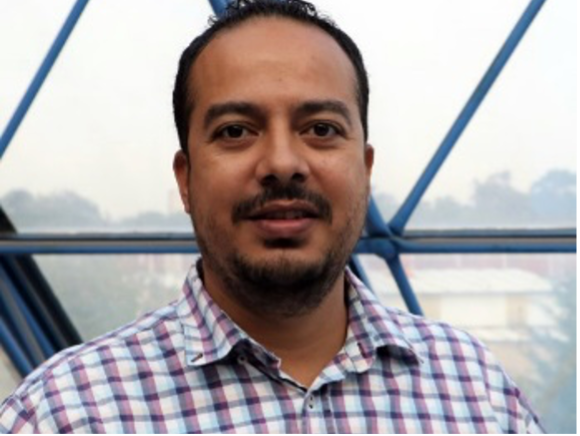
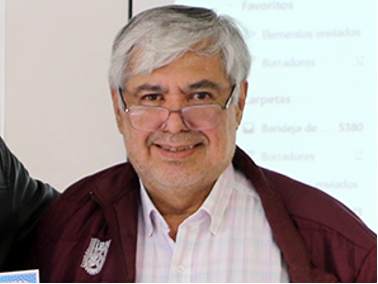
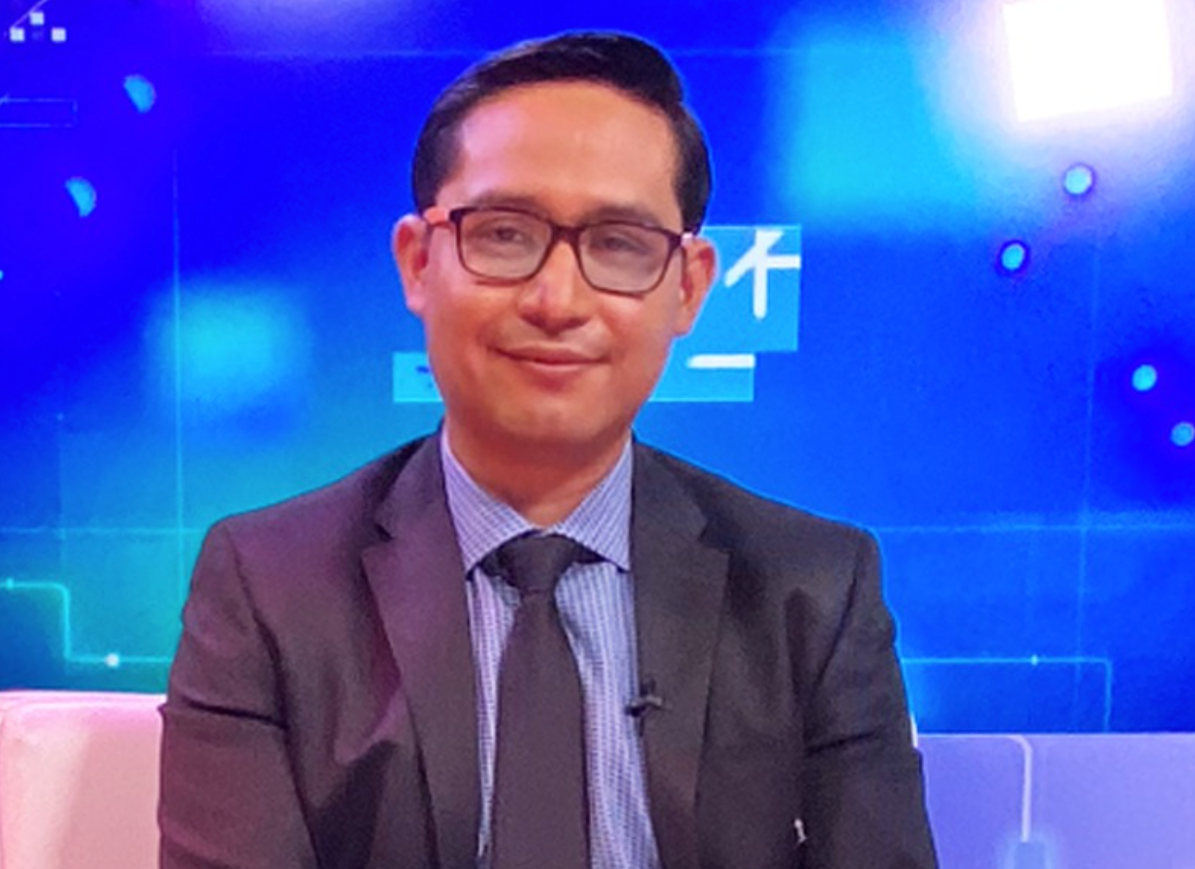
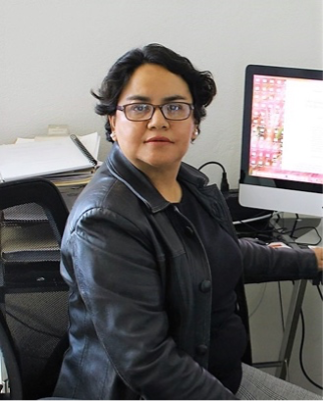
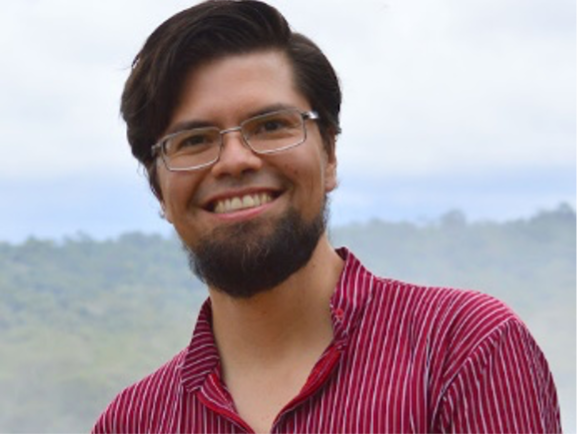
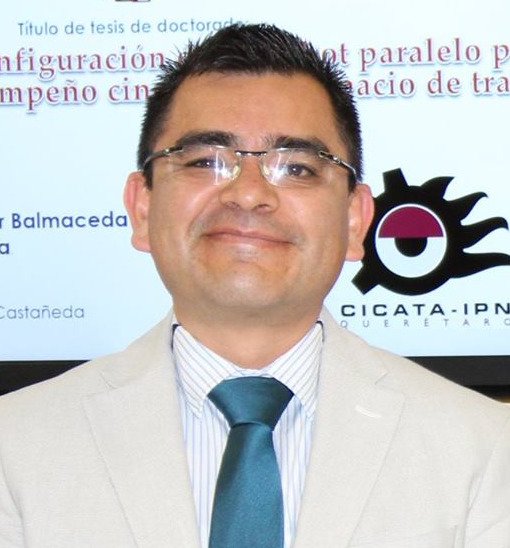
General Chair
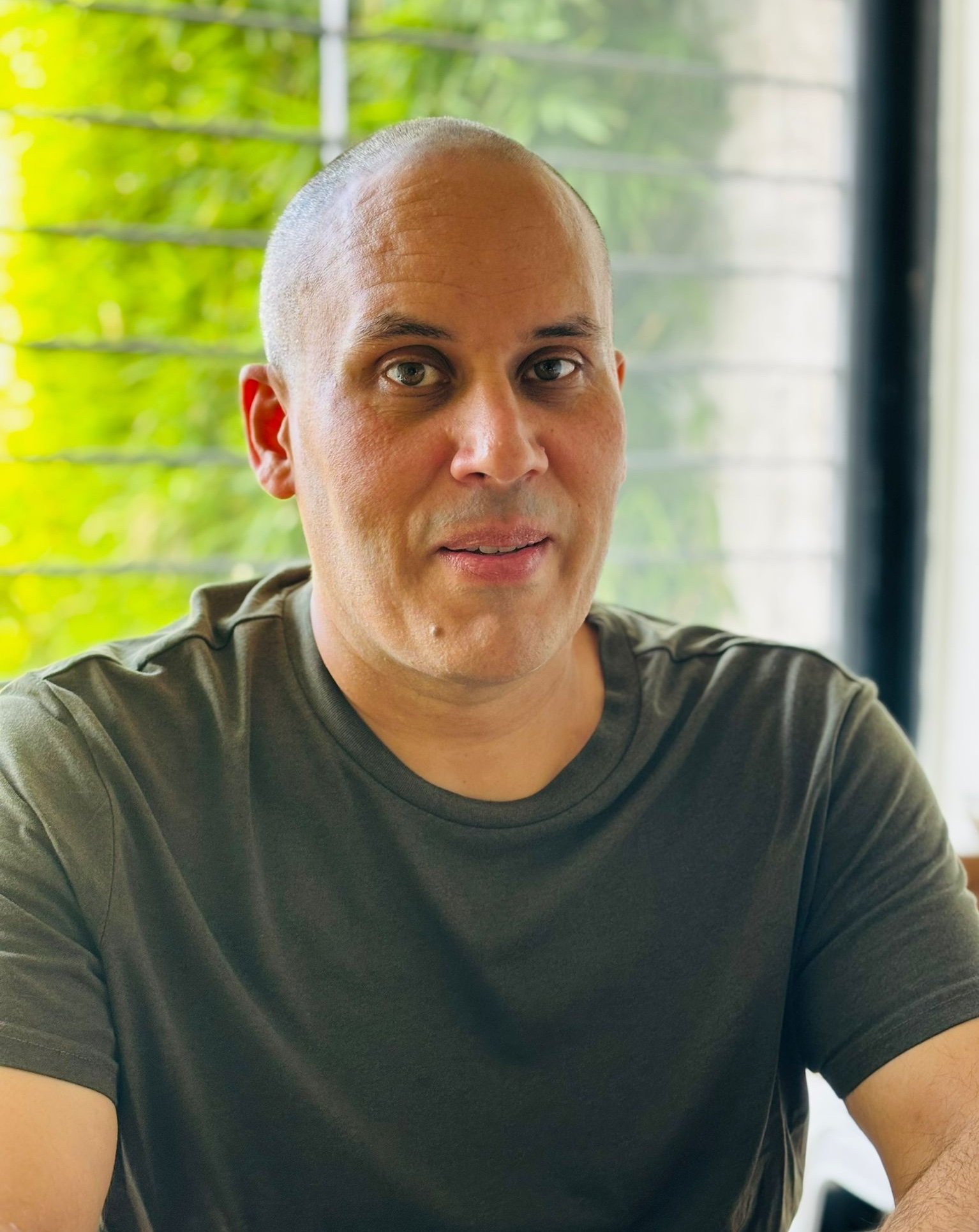
General Chair
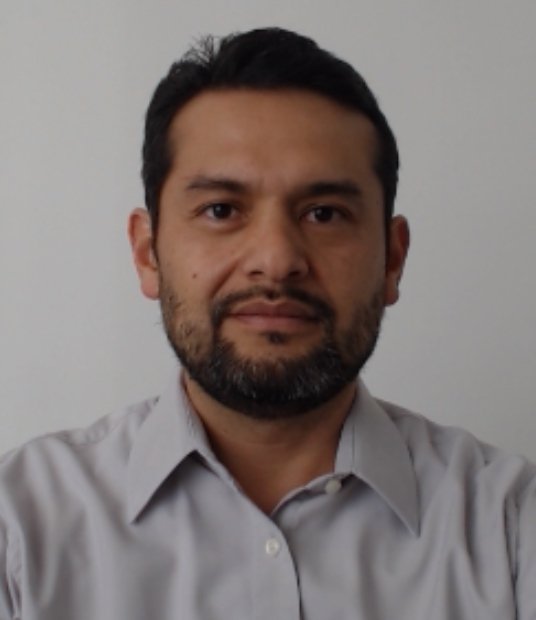
General Chair
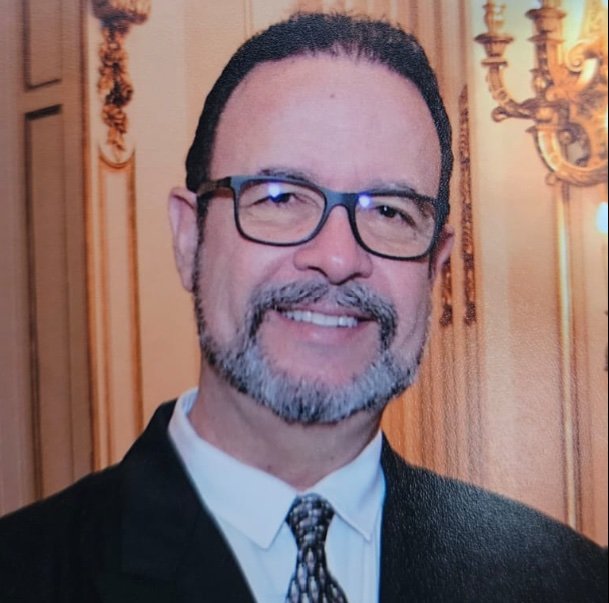
Task Force
University of Pernambuco (UPE)
University of Guayaquil
Universidad de la República
Universidad Autónoma de Querétaro
University of Pernambuco
Universidad del Rosario
Pontifical Catholic University of Rio de Janeiro
Universidad de la República
Universidade Católica de Pernambuco
Neural Networks Track Program Chair
Fuzzy Track Program Chair
Swarm Intelligence and Evolutionary Computation Track Program Chair
Other Topics Around CI
General Technical Chair
Publications Chair
Publications Chair
Financial Chair
Financial Chair
Student Activities Chair
Technical Support and Web Operations
Conference Talk: 40 Years of Multi-Objective Evolutionary Algorithms: Past, Present and Future. The first multi-objective evolutionary algorithm was proposed in 1985 by David Schaffer (in the USA). Since then, this research area has become increasingly popular and has generated an important number of publications and PhD theses. In this talk, I'll give a quick overview of the historical development of this discipline, including some of the recent research topics that are attracting interest as well as some of the areas in which more research is expected in the future.
Dr. Carlos Coello is a prominent researcher at CINVESTAV-IPN in Mexico City and a Visiting Professor at the Basque Center for Applied Mathematics in Spain. His research focuses on biologically inspired stochastic algorithms for complex, nonlinear multi- objective optimization. He pioneered the first micro-genetic algorithm for multi-objective optimization and developed an immune system-based algorithm using Pareto optimality, both of which have been applied in diverse fields, including supersonic jet design in the USA.
He has taught courses on evolutionary computation, optimization, and programming languages in countries like Spain, the UK, Argentina, Chile, India, Colombia, and the USA. Dr. Coello has presented his research at leading conferences such as the IEEE Congress on Evolutionary Computation (CEC), GECCO, and PPSN.
His editorial contributions include serving as Editor-in-Chief of the IEEE Transactions on Evolutionary Computation and as an associate editor for journals like Evolutionary Computation (MIT Press) and Journal of Heuristics (Springer).
Dr. Coello has received numerous prestigious awards, including:
Conference Talk: With layers of sensors permeating every aspect of urban life and new computational tools unveiling previously invisible dynamics, Dr. Duarte will explore how data, sensors, and science are reshaping the way we understand and design our cities.
Fábio Duarte is the Associate Director of Research & Design at the MIT Senseable City Lab, where he also serves as a Principal Research Scientist. Additionally, he is a Lecturer in the Department of Urban Studies and Planning (DUSP) and collaborates with the Sustainable Urbanization Lab at the Center for Real Estate.
Duarte is the author of the books Urban Play: Make-Believe, Technology, and Space (MIT Press, 2021) and Unplugging the City: The Urban Phenomenon and Its SociotechnicalControversies (Routledge, 2018). His research has been published in high-impact journals such as Nature Water, Nature Cities, Nature Sustainability, Urban Studies, Journal of Urban Technology, Scientific Reports, and Science Robotics.
With a background in urban planning, Duarte earned his PhD in Communication and Technology from the Universidade de São Paulo, Brazil. He previously held a professorship at the Pontificia Universidade Católica (PUC) in Curitiba, Brazil, and has been a visiting professor at Yokohama University and Twente University. Duarte also serves as a consultant in urban planning and mobility for the World Bank.
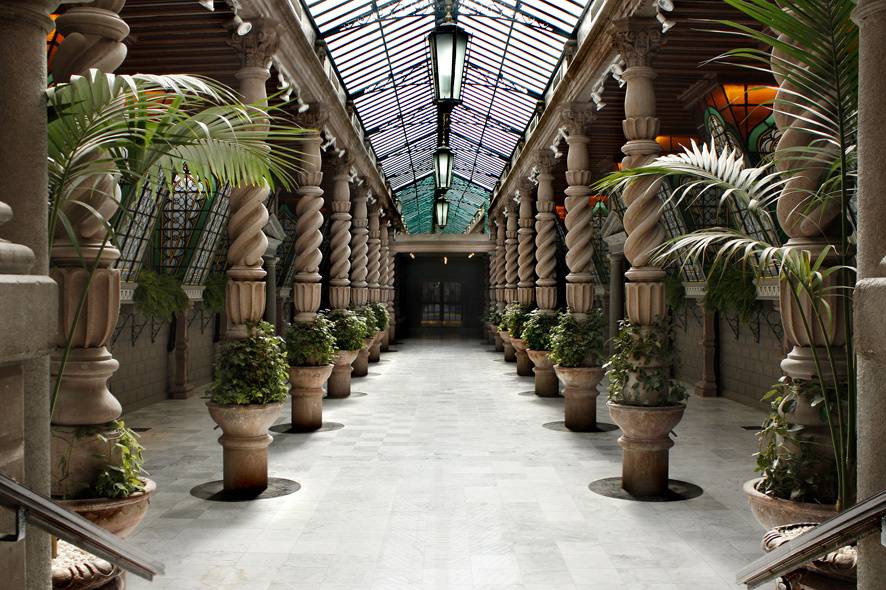
We are pleased to announce that Hotel Geneve will be the official venue for the conference. The conference will take place from November 5 to November 7, 2025, while the special group rate at the hotel is valid from November 3 to November 10, 2025 to allow early arrival or extended stay.
Join us at the IEEE Latin American Conference on Computational Intelligence 2025, hosted at the prestigious Hotel Geneve. Located in the vibrant Zona Rosa neighborhood, this iconic hotel offers a blend of classic European charm and modern amenities.
| Room Category | Rate (MXN) | Approx. Rate (USD)* |
|---|---|---|
| Standard Single or Double – European Plan | $1,912 MXN | ≈ $113 USD |
| Standard Single with Buffet Breakfast | $2,204 MXN | ≈ $130 USD |
| Standard Double with Buffet Breakfast | $2,496 MXN | ≈ $147 USD |
Check-in: 3:00 p.m.
Check-out: 1:00 p.m.
(Early check-in may be available depending on room availability.)
Complimentary for registered hotel guests.
$80 MXN (≈ $4.70 USD) per day for participants not staying at the hotel (tax included).
Bellboys: $45 MXN (≈ $2.65 USD) per person per room.
Housekeepers: $45 MXN (≈ $2.65 USD) per room per night.
We encourage all attendees to book early to secure these preferential rates and ensure room availability.
Thank you, and we look forward to welcoming you to Mexico City!
REGISTRATION FEES, ADVANCE REGISTRATION - AUTHOR
REGISTRATION FEES AT CONFERENCE